The Ultimate Guide to Colonoscopy: Preparation, Quality, and Prevention

Everything you need to know about the gold standard in bowel cancer screening in Christchurch, led by Dr Jimmy Tiong.

Request Your Procedure
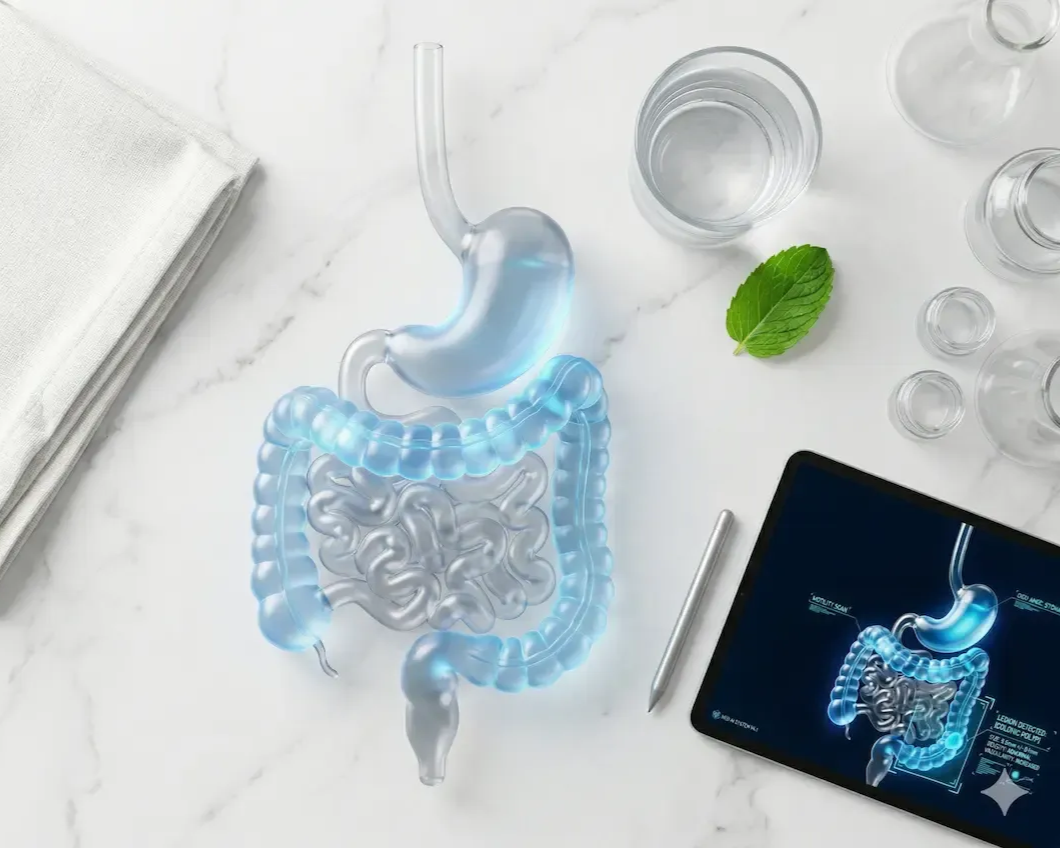
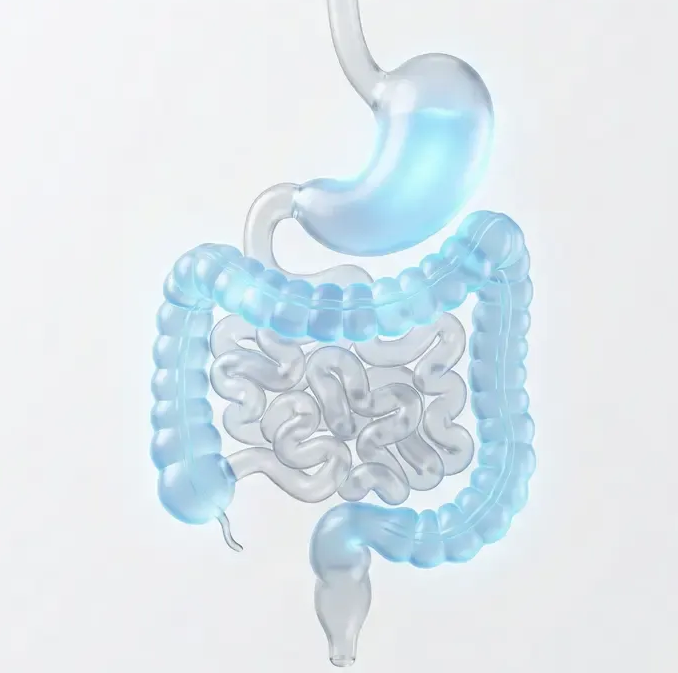
A stylized, 3D anatomical illustration showing the human stomach and intestines in blue and translucent gray.

Your Guide to Bowel Screening in NZ

Bowel cancer is one of the most common cancers in Aotearoa New Zealand, claiming approximately 1,200 lives each year. However, when detected early, it is highly treatable. Colonoscopy remains the gold standard for finding and preventing it. Whether you have been referred by your GP or received a positive FIT result from the National Bowel Screening Programme, this guide provides the clinical and practical details you need.


What is a Colonoscopy?

A colonoscopy is a procedure used to examine the inside of your large bowel (colon) and rectum. A long, thin, flexible tube called a colonoscope is gently passed through the rectum. It has a high-definition camera at its tip, which sends real-time images to a monitor so the specialist can inspect the bowel lining for abnormalities. During the exam, Dr Tiong can take tissue samples (biopsies) and remove polyps (pre-cancerous growths) in the same procedure. This "detect and treat" capability is why colonoscopy is the most comprehensive screening tool available.


The Importance of Quality: Understanding the ADR Metric

Not all colonoscopies are equal. The most critical marker of a specialist's skill is their Adenoma Detection Rate (ADR)—the percentage of procedures where they find one or more precancerous polyps.


Why Dr. Tiong’s >50% ADR Matters


  • The Global Standard: The minimum international benchmark is ≥25%.
  • Dr. Tiong’s Performance: Consistently greater than 50%.


Research shows that for every 1% increase in a specialist’s ADR, there is a 3% decrease in the risk of cancer developing between screenings. By choosing a high-ADR specialist, you are doubling your level of protection.


Technical Excellence in Detection

(H3) To achieve these results, Dr Tiong uses:


  • AI-Assisted Detection: Advanced software to spot subtle lesions.
  • Extended Withdrawal Times: Spending more time meticulously inspecting every fold of the colon.
  • Advanced Maneuvers: Including "retroflexion" to see behind folds where polyps often hide.
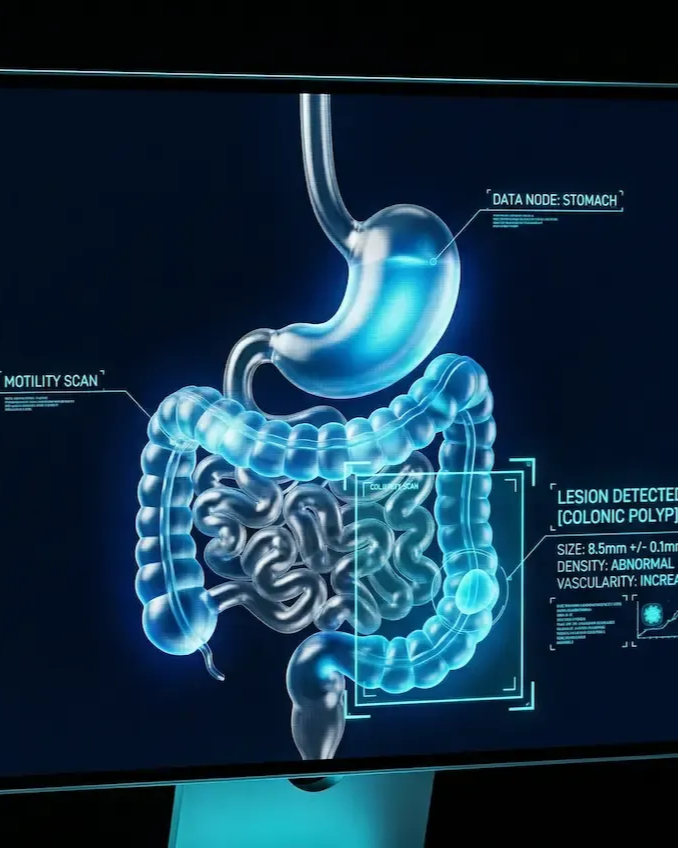
A digital screen shows a 3D medical visualization of a human digestive system, highlighting a detected colonic polyp.
A translucent 3D model of a human digestive system rests on a white table next to a tablet displaying the same anatomy.

Preparing for Your Procedure

A successful colonoscopy requires a completely clear bowel. If residual stool remains, it can hide small polyps or early-stage cancers.


The Importance of Bowel Preparation

You will follow a "low-fibre" diet for two days, moving to clear fluids only the day before your procedure. You will also take a prescribed laxative "prep." At 1 Health, we use a split-dose method, which is clinically proven to provide a cleaner bowel and a significantly higher detection rate for polyps.


Insurance & Costs

Dr Jimmy Tiong is a Southern Cross Affiliated Provider. In most cases, we can manage the prior approval process on your behalf. For self-funding patients, we provide a clear, transparent fee structure so there are no surprises on the day of your procedure.

Frequently Asked Questions & Risks

  • Is a colonoscopy painful?

    You will usually be given conscious sedation, which relaxes you for the procedure, but doesn’t completely “knock you out” like a general anaesthesia. However, people often fall asleep during the earlier part of the procedure, and may not have memory of the procedure due to the sedative effects.

  • How long does the entire process take?

    The procedure itself typically takes between 30 to 45 minutes, depending on whether polyps need to be removed. however, you should plan to be at our Wigram clinic for approximately 2 to 3 hours in total. This allows time for pre-procedure admission, the procedure itself, and about an hour in our recovery suite as the sedation wears off.

  • When and how will I receive my results?

    Dr Tiong will usually speak with you briefly in the recovery room once you are awake to give you a preliminary visual report. If the bowel was clear and nothing was found, you will know immediately. However, if biopsies were taken or polyps removed, these are sent to a laboratory for analysis. Formal pathology results typically take 7 to 10 working days. We will send a full report to both you and your GP as soon as these are finalised.

  • What happens if I can’t finish the bowel preparation?

    The success of a colonoscopy depends entirely on a clear view of the bowel lining. If residual stool remains, it can hide small polyps or early-stage cancers. If you are struggling to finish the prep or experience significant vomiting, please call the clinic immediately. We may be able to suggest an alternative "prep" or adjust your schedule. It is better to troubleshoot the prep than to have an incomplete examination that needs to be repeated.

  • Why do I need a driver? Can I just take an Uber or Taxi?

    Because of the sedative medications used, your reflexes and judgment will be impaired for several hours, similar to being over the legal alcohol limit. For your safety and for legal/insurance reasons, you must have a responsible adult (friend or family member) collect you from the clinic and ensure you are settled at home. Most clinical guidelines do not allow patients to travel alone in a taxi or rideshare immediately following sedation.

  • Do I need to stop my regular medications?

    Most medications can be taken as usual with a small sip of water. However, blood thinners (e.g., Warfarin, Dabigatran, Aspirin) and diabetes medications (e.g., Insulin or Metformin) require special management. Dr Tiong will provide you with a specific plan during your consultation. Do not stop any prescribed heart or blood pressure medication unless specifically instructed by our clinical team.