The Ultimate Guide to Gastroscopy
A comprehensive, specialist-led guide to understanding upper GI investigation—from preparation and comfort options to expert diagnostics for reflux, GORD, and stomach pain in Christchurch.

Expert Upper GI Investigation
If your doctor has recommended a gastroscopy, you likely have questions about what the procedure involves and why it is necessary. Gastroscopy is one of the most commonly performed and effective diagnostic tools in modern gastroenterology.
This guide, authored by Dr Jimmy Tiong and co-authored by Dr Bernard Teo, provides a thorough, evidence-based understanding of the procedure—from the clinical reasons it is recommended through to what you can expect during and after the examination.
What is a Gastroscopy?
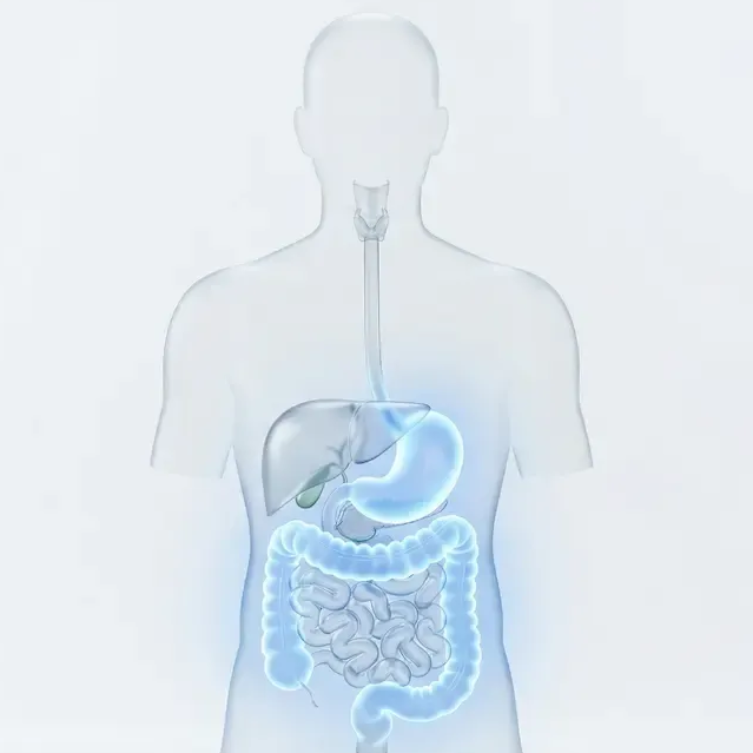
A gastroscopy (also known as an upper gastrointestinal endoscopy or OGD) allows a specialist to examine the lining of your upper digestive tract. This includes the
oesophagus (food pipe),
stomach, and
duodenum (the first part of your small bowel). The procedure is carried out using a gastroscope—a thin, flexible tube about the thickness of a finger, fitted with a small high-definition camera and light at the tip. As the gastroscope is gently passed through the mouth, images are displayed on a monitor in real time, giving Dr Tiong a clear, detailed view of the tissue lining that imaging like X-rays or CT scans might miss.
Why a Gastroscopy is Recommended
A gastroscopy is much more than just a visual check; it is a powerful tool for both diagnosis and immediate treatment of upper digestive issues.
Investigating Persistent Symptoms
(H3) Dr Tiong may recommend a gastroscopy to find the underlying cause of several common symptoms, including:
- Chronic Heartburn or Reflux: Investigating GORD (Gastro-oesophageal reflux disease).
- Dysphagia: Difficulty or pain when swallowing.
- Persistent Nausea: Or unexplained vomiting.
- Abdominal Pain: Specifically in the upper abdomen or "pit" of the stomach.
- Unexplained Weight Loss: Or signs of internal bleeding (anæmia).
Diagnosis and Therapeutic Actions
(H3) During the 15-minute procedure, Dr Tiong can perform several vital clinical tasks:
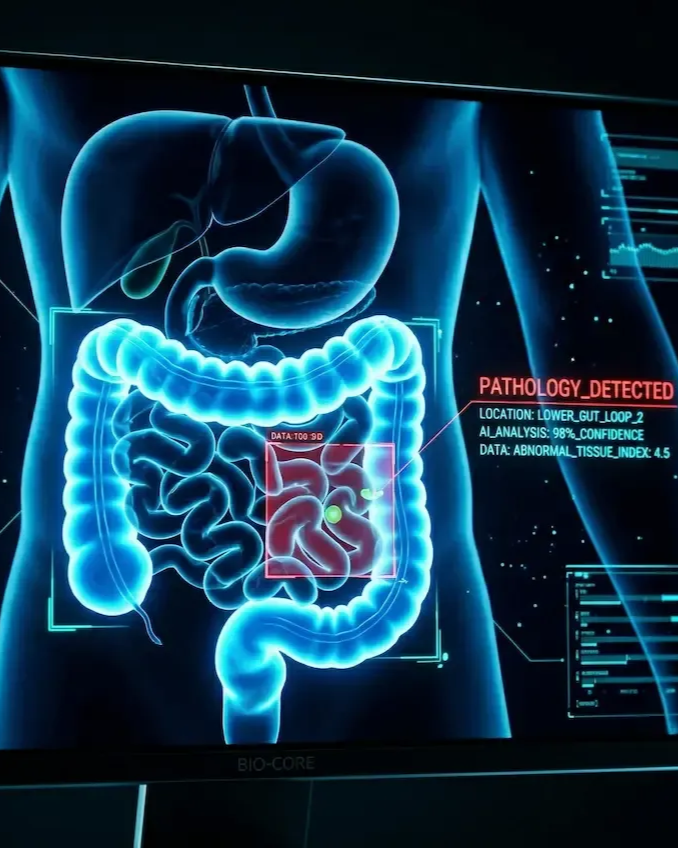
- Biopsies: Taking small tissue samples to check for H. pylori (a bacteria linked to ulcers), Coeliac disease, or Barrett’s Oesophagus.
- Polyp Removal: Identifying and removing small growths before they become problematic.
- Stricture Dilation: Gently stretching a narrowed oesophagus to improve swallowing.
The Procedure & Preparation
Because the specialist needs a clear view of the stomach lining, your stomach must be completely empty. Safety is our primary concern.
Preparing Your Stomach (Fasting)
- No Food: You must not eat any solid food for at least 6 hours before your procedure.
- Clear Fluids: You may usually drink small amounts of water up until 2 hours before your appointment.
- Medications: It is vital to tell us if you are on blood thinners or diabetes medication. Most other medications can be taken as normal with a small sip of water.
Your Comfort: Throat Spray vs. Conscious Sedation
At 1 Health, we tailor the experience to your preference. You typically have two options:
- Local Anaesthetic Spray: A spray that numbs the back of your throat. You remain fully awake, but the "gag reflex" is significantly suppressed. You can usually drive home immediately after.
- Conscious Sedation: An injection that makes you feel very relaxed and drowsy. While not a general anaesthetic, most patients find they have no memory of the procedure afterward.
Note: This requires a mandatory driver to take you home.